
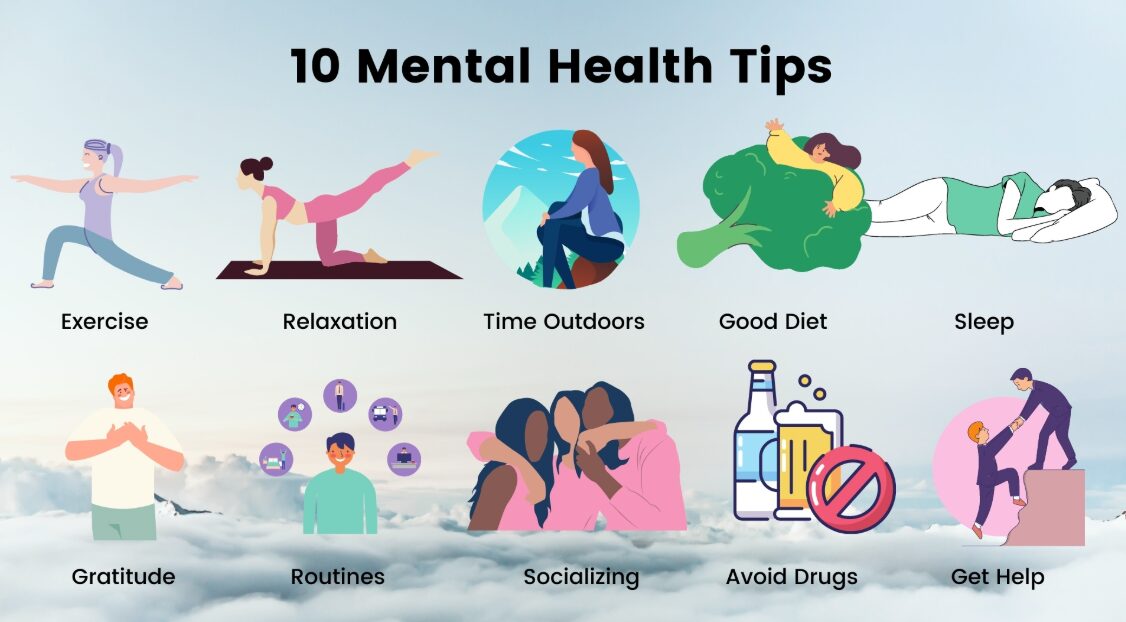
Mental wellness is just as important as physical health, yet it’s often overlooked in daily life. In today’s fast-paced world, stress, anxiety, and emotional fatigue have become common challenges. The good news is that improving mental wellness doesn’t always require complex treatments or drastic changes.
By adopting simple, natural habits, you can strengthen your emotional well-being, improve your mood, and create a more balanced life. These small but consistent changes can have a powerful impact over time.
In this guide, we’ll explore practical and natural ways to improve mental wellness that you can start today.
🌿 1. Spend Time in Nature
One of the simplest ways to improve mental wellness is by spending time outdoors. Nature has a calming effect on the mind and can help reduce stress and anxiety.
Whether it’s a walk in a park, sitting in a garden, or simply getting fresh air, being in a natural environment helps clear your thoughts and improve your mood.
🧘 2. Practice Mindfulness and Meditation
Mindfulness involves focusing on the present moment without judgment. It helps reduce overthinking and promotes mental clarity.
Meditation, even for a few minutes a day, can:
- Lower stress levels
- Improve focus
- Enhance emotional stability
You don’t need a special setup—just find a quiet space and focus on your breathing.
💤 3. Improve Your Sleep Quality
Sleep and mental health are closely connected. Poor sleep can lead to irritability, low energy, and difficulty concentrating.
To improve sleep:
- Maintain a consistent bedtime
- Avoid screens before sleeping
- Create a relaxing nighttime routine
Better sleep leads to better mental clarity and emotional balance.
🗣️ 4. Talk to Someone You Trust
Sharing your thoughts and feelings with someone can relieve emotional pressure. Whether it’s a friend, family member, or mentor, talking openly can help you process your emotions.
You don’t have to handle everything alone—support is important for mental wellness.
🚶 5. Stay Physically Active
Physical activity is not only good for your body but also for your mind. Exercise releases endorphins, which are natural mood boosters.
Even light activities like walking or stretching can:
- Reduce stress
- Improve mood
- Increase energy levels
Consistency matters more than intensity.
📓 6. Practice Journaling
Writing down your thoughts can help you understand your emotions better. Journaling allows you to reflect on your day, identify stress triggers, and organize your thoughts.
It’s a simple yet powerful habit that promotes self-awareness and emotional clarity.
🍎 7. Maintain a Healthy Diet
What you eat affects how you feel. A balanced diet rich in nutrients supports brain function and emotional health.
Include foods like:
- Fruits and vegetables
- Whole grains
- Healthy fats
- Protein
Avoid excessive sugar and processed foods, as they can negatively impact mood and energy levels.
📱 8. Limit Screen Time and Social Media
Excessive use of screens and social media can increase stress, anxiety, and comparison with others. It can also affect your sleep and focus.
Set boundaries for screen time and take regular breaks from digital devices to protect your mental well-being.
🎯 9. Set Realistic Goals
Unrealistic expectations can lead to frustration and stress. Setting achievable goals helps you stay motivated and reduces pressure.
Break larger tasks into smaller steps and celebrate your progress along the way.
🎨 10. Engage in Activities You Enjoy
Doing things you enjoy can significantly improve your mood. Whether it’s reading, painting, listening to music, or spending time on hobbies, these activities help you relax and recharge.
Make time for yourself—it’s not a luxury, it’s a necessity.
🤝 11. Build Positive Relationships
Surrounding yourself with supportive and positive people can have a strong impact on your mental health. Healthy relationships provide emotional support and help you feel connected.
Avoid toxic environments and focus on meaningful connections.
🌅 12. Create a Daily Routine
Having a structured daily routine can provide a sense of stability and control. It helps reduce uncertainty and makes your day more productive.
Include time for:
- Work
- Rest
- Exercise
- Self-care
A balanced routine supports both mental and physical health.
⚠️ Common Signs You Should Pay Attention To
While natural methods can help, it’s important to recognize when you may need additional support. Pay attention to signs like:
- Constant stress or anxiety
- Difficulty sleeping
- Loss of interest in activities
- Low energy or motivation
If these symptoms persist, consider seeking professional help.
✅ Conclusion
Improving mental wellness naturally is about making small, consistent changes in your daily life. By focusing on healthy habits such as staying active, eating well, managing stress, and building meaningful connections, you can create a more balanced and fulfilling life.
Remember, mental wellness is a journey, not a destination. Start with one or two habits and gradually build a routine that works for you. Over time, these simple steps can lead to lasting improvements in your overall well-being.